The Atmos World Defense division is a division of the Atmos Corporation dedicated to the protection and preservation of humanity as a part of our goal to advance humankind technologically.
Though Atmos World Defense has a great focus on protecting humanity from humanity (intercepting nuclear warheads that are launched by humans who intend on killing other humans), we hope to bring humanity closer together than ever before. Atmos World Defense focuses not just on protecting humans against human-made weapons, but protecting humanity against outside forces (aliens, asteroids, and more).
There is a growing concern from Atmos that the United Nations (UN) is not capable of properly beginning to develop a global defense against potential hostile forces outside our home world. Given the vastness of the universe and the certainty of the existence of a hostile alien civilization somewhere near us in the cosmos, it is essential that we prepare ourselves to defend against possible attacks. This is why it is a terrible idea to intentionally send out radio signals into space with information including Earth's coordinates, data about humanity, and more, as we have no idea who might intercept them.
Our current most powerful weapon of mass destruction, nuclear warheads, would be useless against aliens. If we deployed a nuclear warhead against aliens, it would be comparable to a little bug like a gnat trying to ram into an elephant's side, hoping that the elephant even remotely noticed.
If we, humanity, were to face a war against aliens, the aliens would be like the modern US Military in 2023 fighting the Indus Valley Civilization over 4,000 years ago. With humanity being the Indus Valley Civilization, of course. We must be prepared for the worst-case scenario, and Atmos World Defense aims on helping us get prepared.
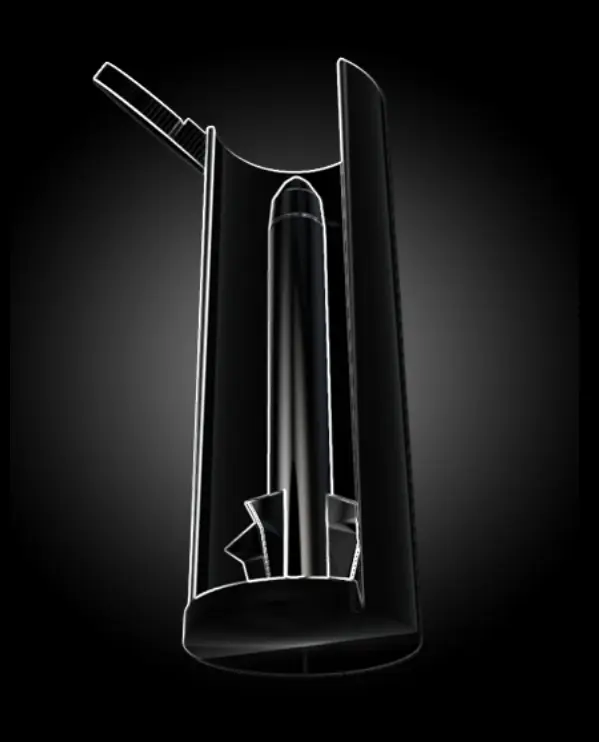
icbm interception during terminal phase, via level-3 global shield interceptors. SMOKE TRAIL EFFECT FROM MULTIPLE-KILL-VEHICLE SYSTEM IS PRESENT FOR VISUAL PURPOSES
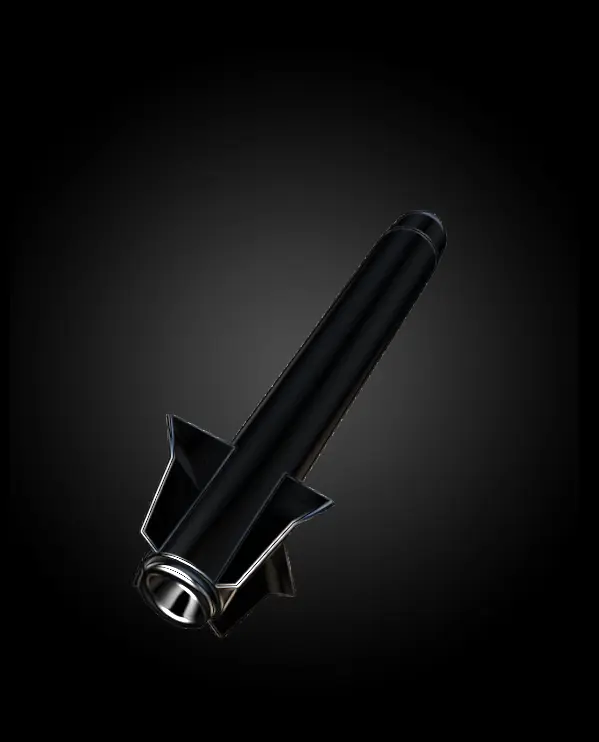
icbm interception during its midcourse phase. smoke trail from kill vehicle is present for visual purposes
An ICBM’s trajectory typically goes through 3 different phases:
- During the boost phase, a rocket boosts the ICBM off of the ground and pushes it upward for about 2 to 5 minutes until it reaches space.
- The midcourse phase is when the ICBM is coasting in space after a launch towards its destination.
- The terminal phase is when the ICBM re-enters Earth’s atmosphere and falls towards its target.
From a technical point of view, the easiest time to intercept would be during the boost phase. For this, a Level-1 Global Shield interceptor would be utilized. The overall optimal time to intercept would be during the midcourse phase, to ensure we know it's a nuclear-armed ICBM we're intercepting. A Level-2 interceptor is used for that. Interception during the terminal phase of the ICBM is most difficult and last resort if all else fails.
A nuclear war between humanity, involving two or more nations, has no winners. X drops an atomic bomb on Y, and Y drops an atomic bomb on X, and they both end up dying horribly. A nuclear war is a pointless war, but some people high-up are still crazy enough to consider a nuclear war between two nuclear-armed states.
This is because they don't understand the power of weapons of mass destruction like nuclear-armed ICBMs. Atmos, using Global Shield's ICBM defense systems, aims to deter any nations from launching nuclear weapons in the first place, but if launched, intercept and neutralize them before they can do any damage.
Standard PDF files are getting old and will eventually be phased out in the future, so we're not using those anymore. Click below to see the online Global Shield document on Atmos to learn more about the Global Shield project. No clientside file downloads are needed.