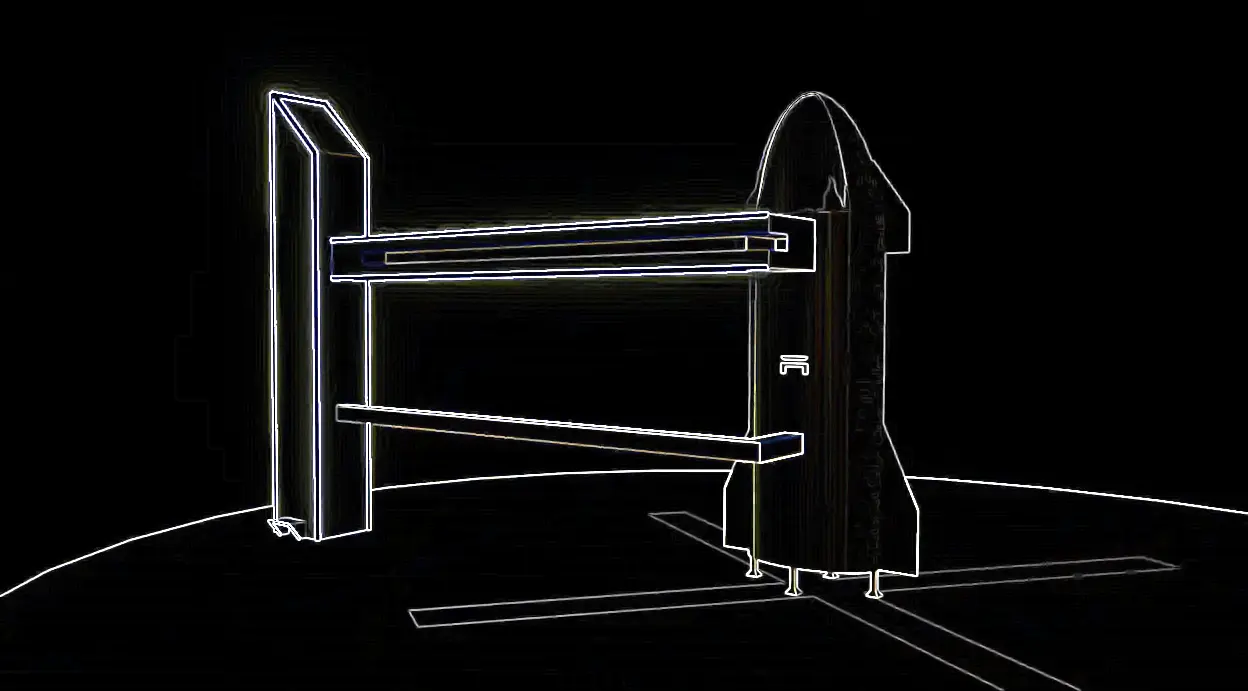
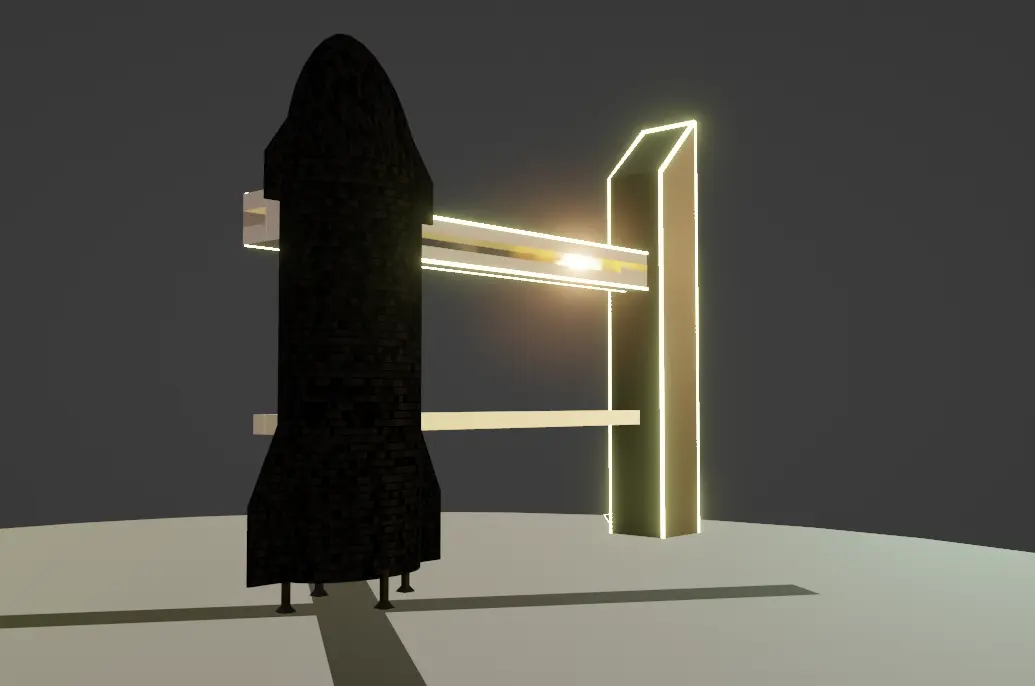
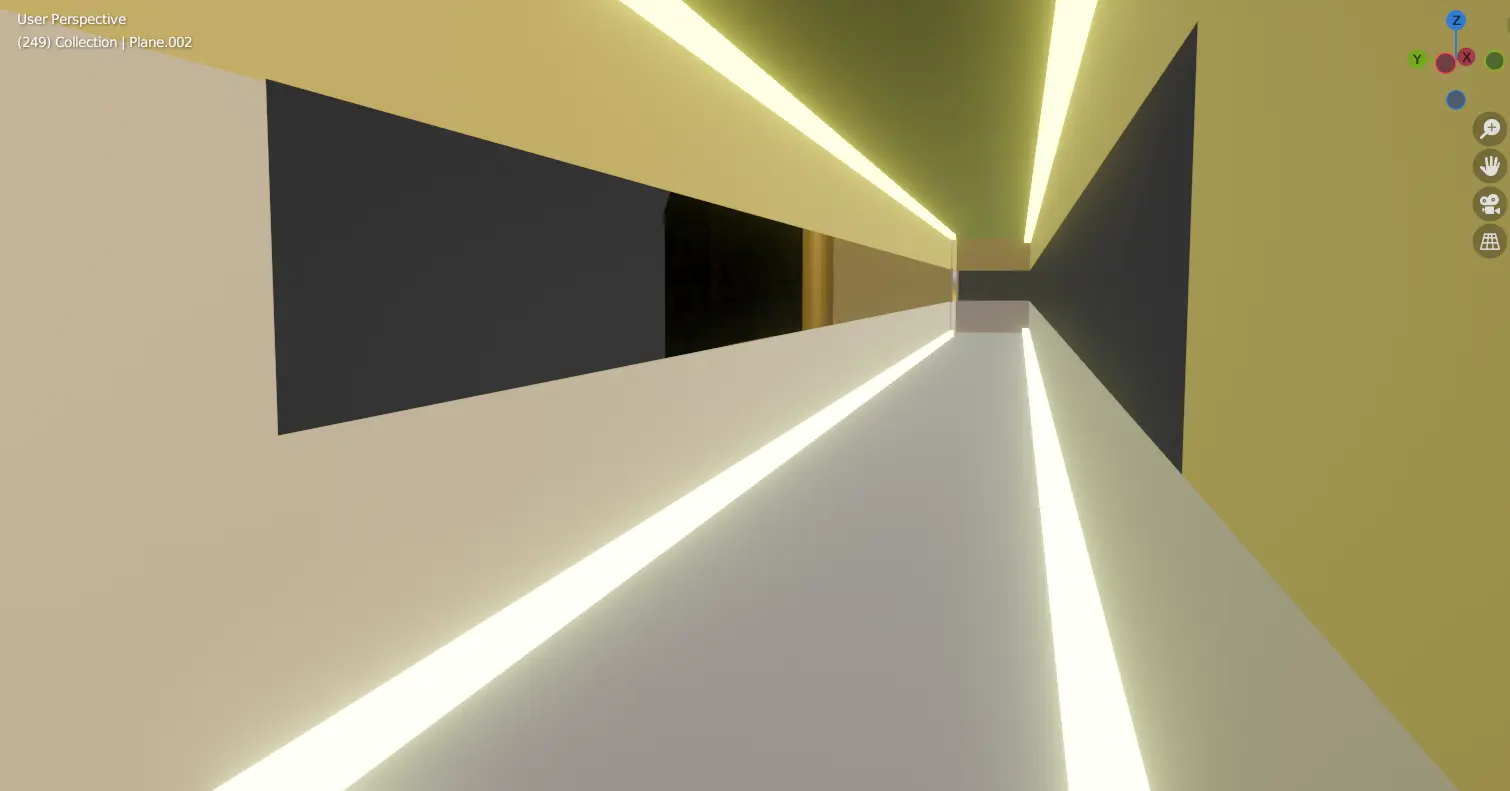
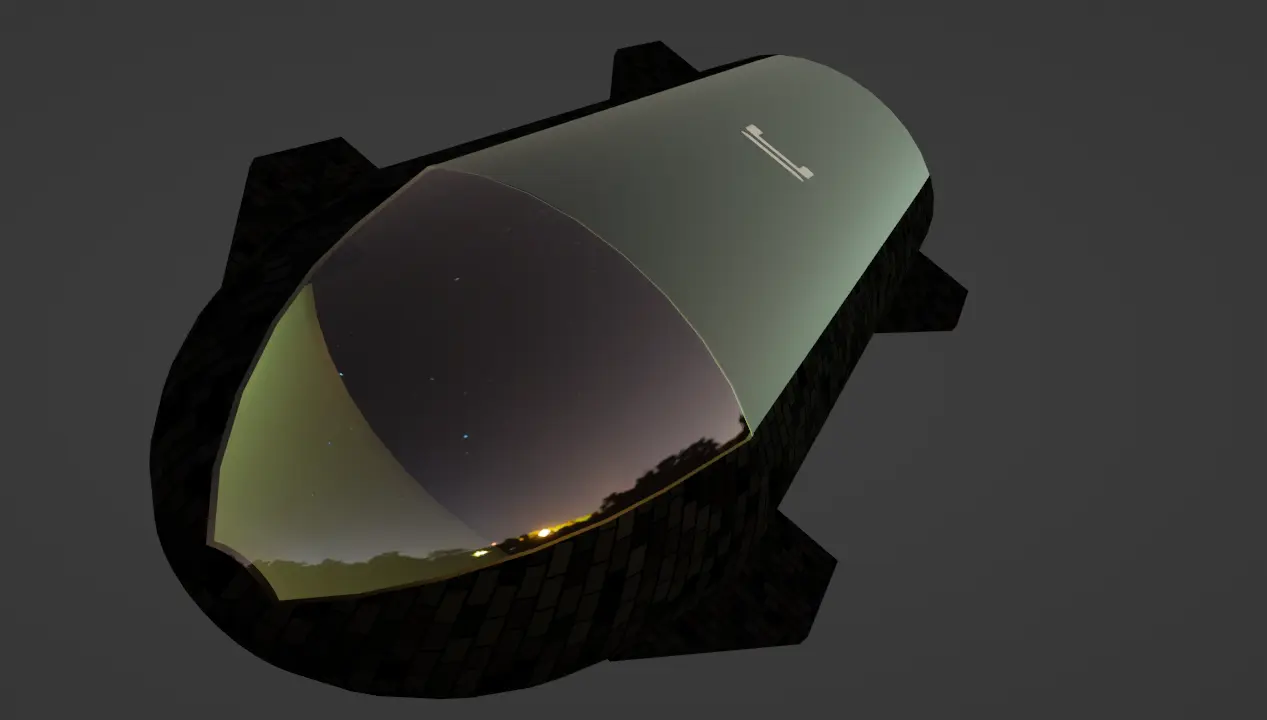
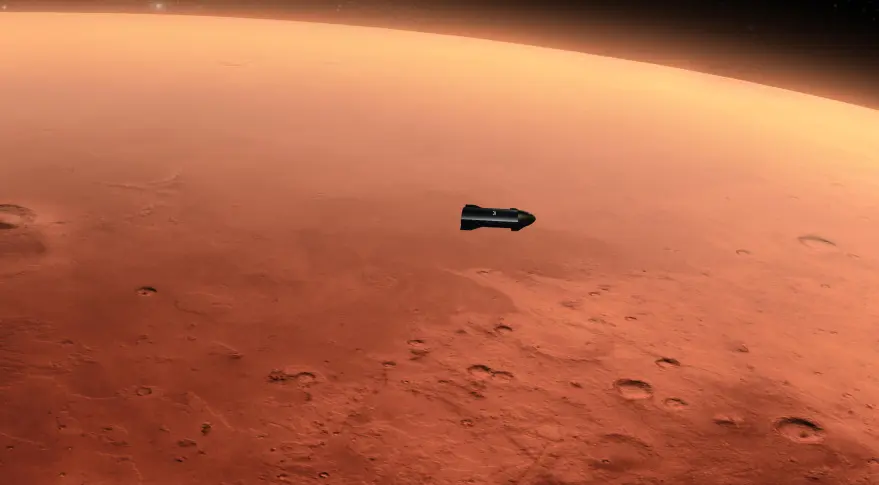
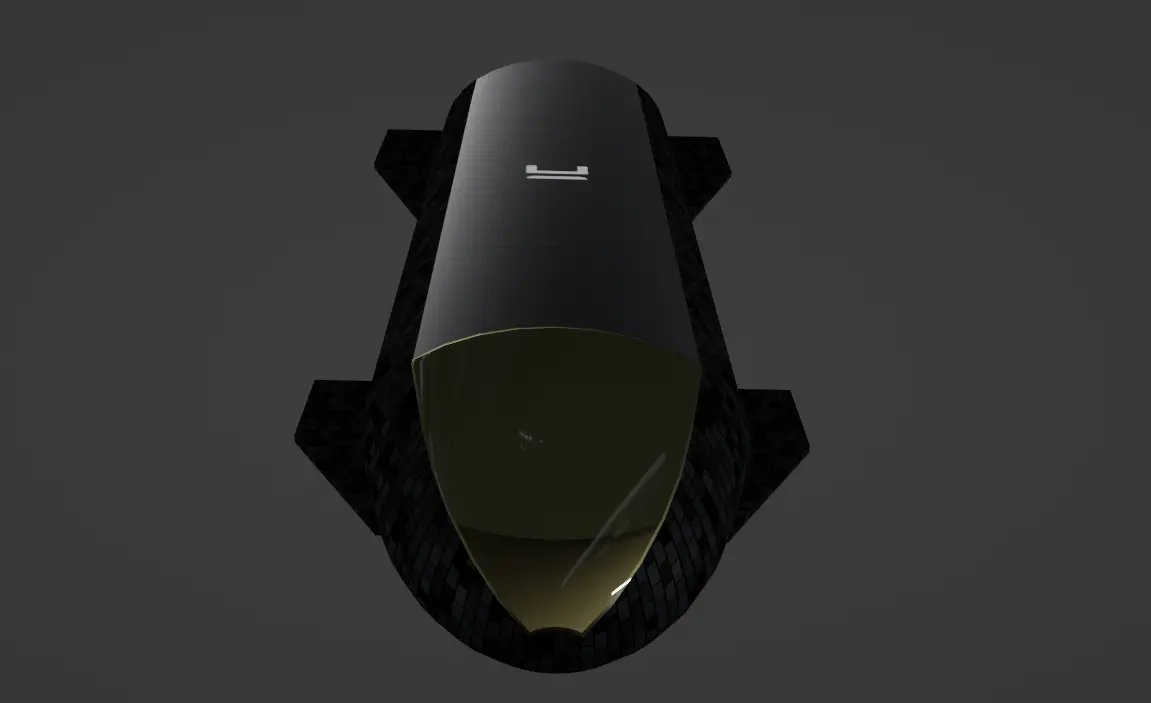
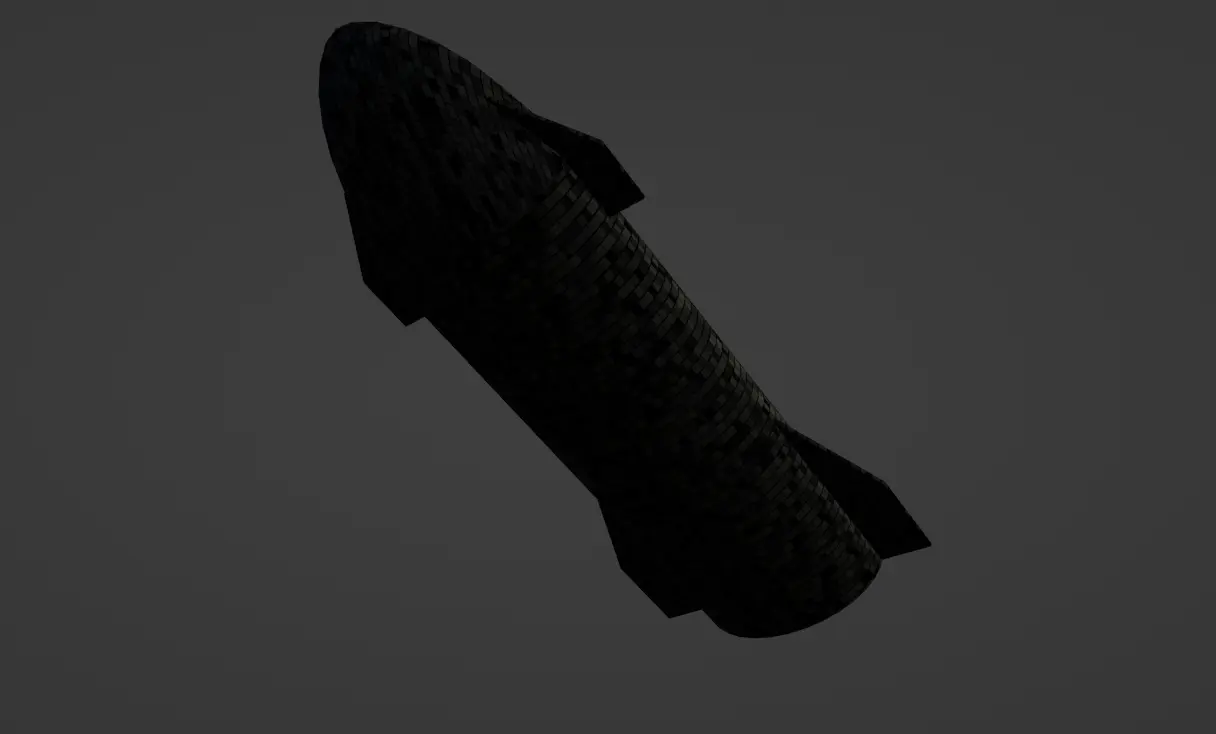
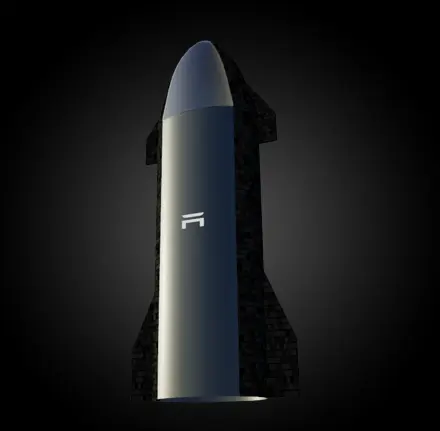
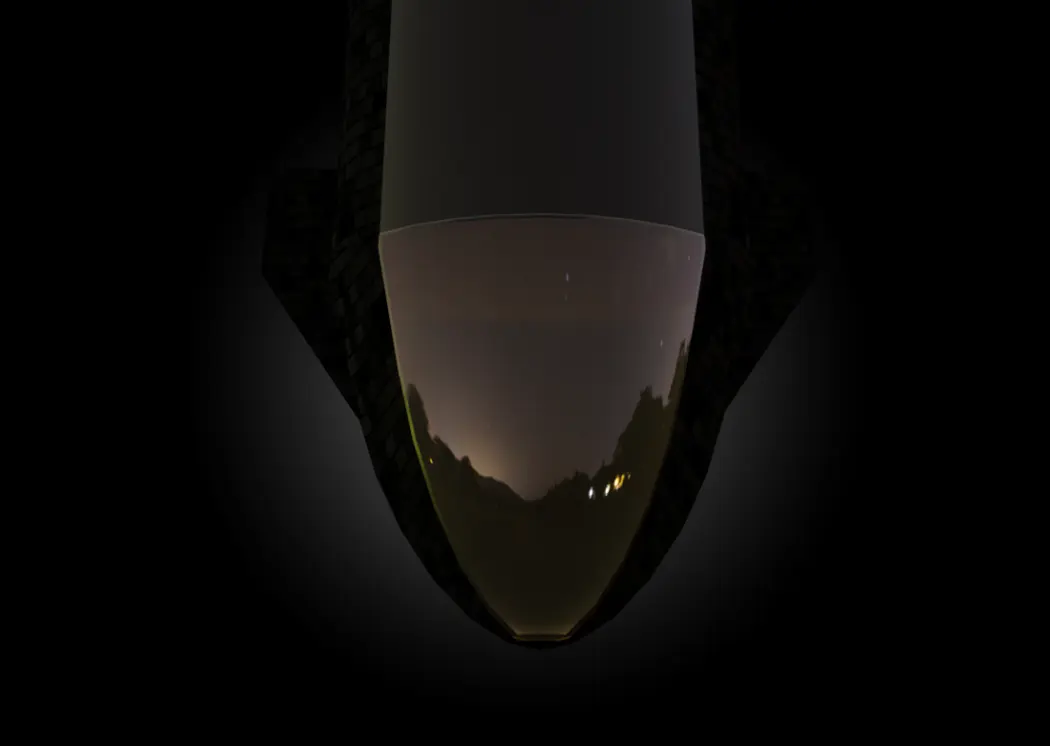
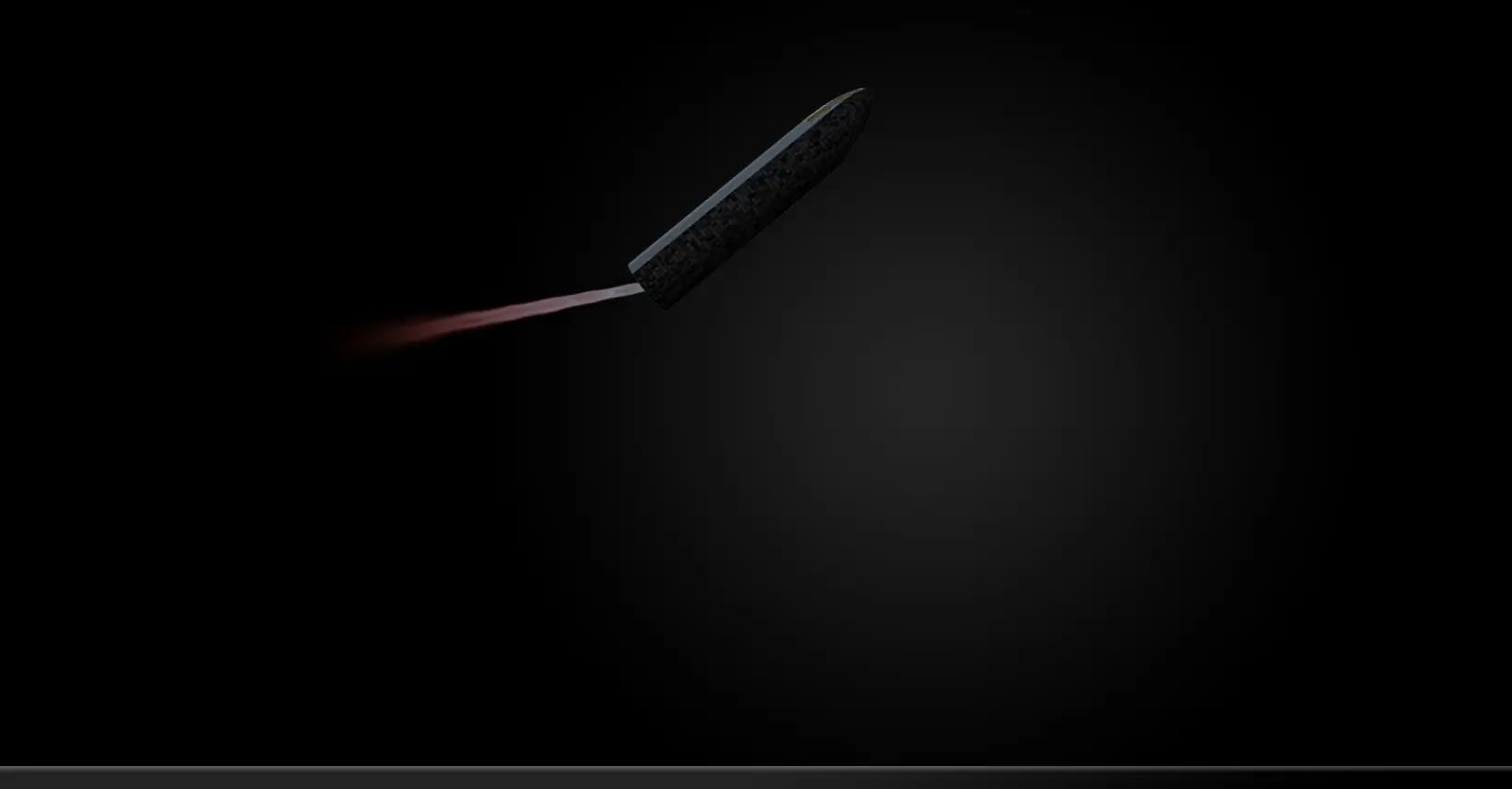
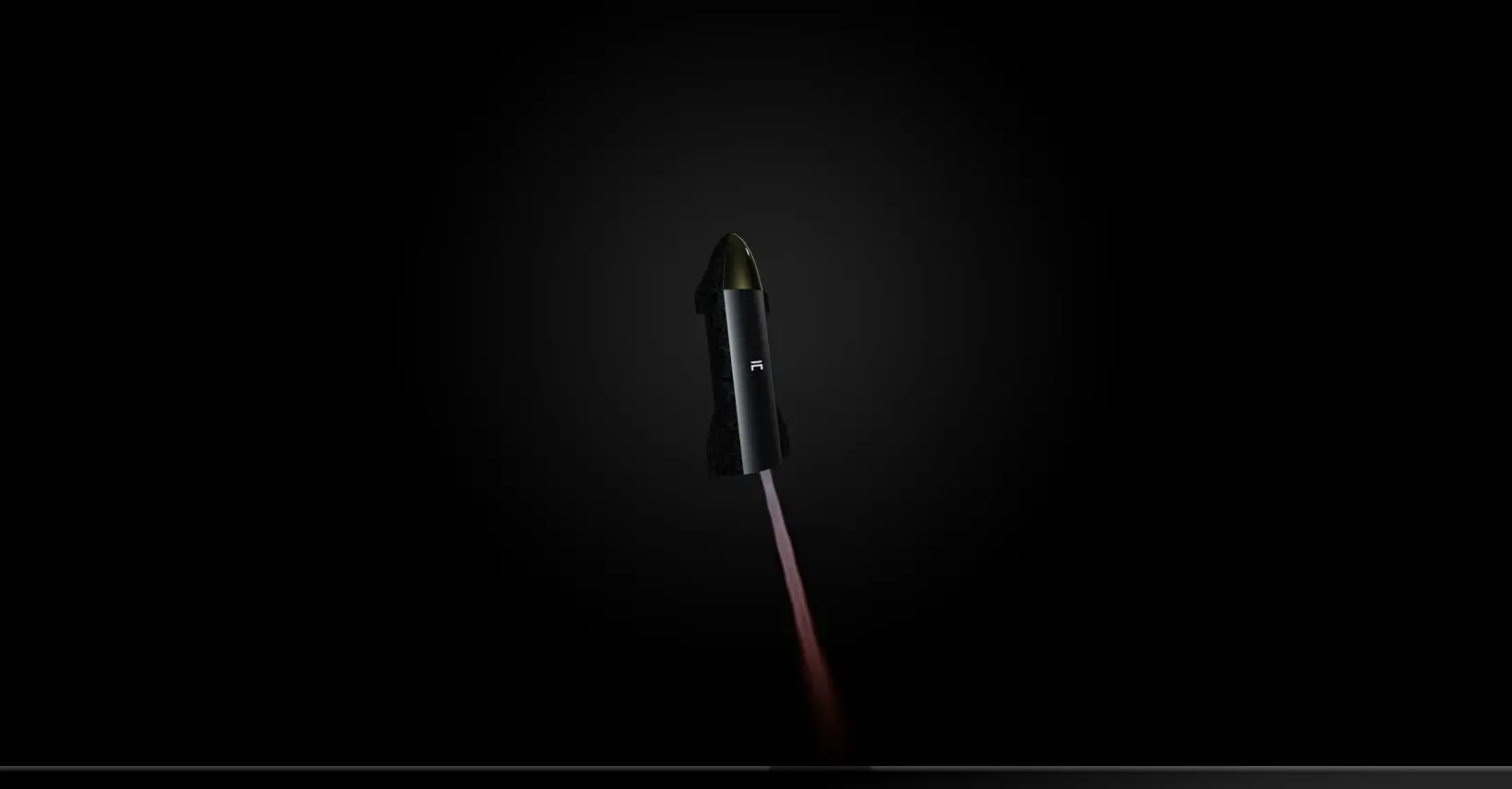
Peregrine, our Mars Transporter vehicle, named after an Earth bird with the fastest recorded speed (the Peregrine Falcon, as of March 2023), would transport people to and from any major city and many non-major cities on Mars in, usually, under 35 minutes. To be clear, this is point-to-point transportation on Mars. Peregrine will never leave Mars' gravitational sphere of influence. In other words, it never leaves Mars or Mars' orbit, it just temporarily exits its atmosphere to allow for lower transit times.
This spacecraft, essentially being a heavily-optimized version of SpaceX's interplanetary Starship Vehicle, uses CH4 (Methane) as fuel and Liquid Oxygen as propellant. Methane is used as it can easily be produced on the surface of Mars using the Sabatier Process, which is a chemical reaction that, when conducted, involves the reaction of Carbon Dioxide (CO2) and Molecular Hydrogen (H2) to produce Methane (CH4), and Water (H2O). Due to Hydrogen's extreme lack of density, it is not an ideal fuel for Peregrine. Hydrogen is a fuel that will very easily leak from the rocket body via the smallest imaginable atomic-level holes and gaps. So, though Hydrogen can be very easily produced on the surface of Mars by mining its water ice and using electrolysis, it is not very easy to deal with Hydrogen as a rocket fuel and it's seemingly not worth it, so, methane is used as a fuel for this spacecraft instead, as it can be produced almost just as easily, but requires CO2 from the Martian atmosphere for the Sabatier process to be successful. The use of Methane instead of Hydrogen also minimizes the amount of mass needed to construct a full Peregrine vehicle, as its tank volume can be reduced as a result of the increased density of fuel (liquid methane).
Since Mars' atmosphere is very thin (practically non-existent) and its gravity is much weaker than Earth's, this spacecraft only requires 1 rocket stage with 3 engines or less, to launch 100+ people to another destination on Mars. For this reason, Peregrine can be considered an SSTO (single stage to orbit) vehicle, but it would never launch with the intention of achieving permanent orbit, unless there is a atmospheric re-entry abort where temporary orbit must be achieved to await a rescue mission.
Peregrine can save propellant by putting itself on a suborbital trajectory which will have it end up landing at its destination with no need to fire engines until then, or it can burn more propellant to boost itself to orbital speeds to travel faster (reducing flight/transit time) and then neutralize that extra velocity by firing its engines in the retrograde direction so it does not achieve a sustained orbit, and instead falls down to its landing location as intended.
Peregrine would become the primary method of long-distance transportation on Mars, and, assuming currency still exists, a seat would be very inexpensive, as only the propellant to refill the spacecraft's tanks as well as the computing power to evaluate the state of the spacecraft would cost money for each launch. Electricity is free, because the Sun is free. Every physical part of this spacecraft (excluding the propellant AKA fuel/oxidizer) is re-usable. That includes the heat shield tiles (thermal protection system) used during atmospheric re-entry, the deployable landing legs, the three engines, and every other part you can think of, with the exception of emergency crush-core landing legs which only need to be replaced if they are used in an emergency hard landing and the cores get crushed in a controlled manner.
Overall, it's like an airplane. It launches and lands, and once it lands, it only needs to be refueled to almost immediately fly again. No replacing parts, or anything else like that. This is why a seat on Peregrine would be extremely cheap. Additionally, by the time Peregrine would actually carry humans, every part of every system on the spacecraft would have been tested thousands of times, and the actual spacecraft would have been launched hundreds of times in a row without a single failure. This would minimize the chances of any system failing while carrying humans, as any issues would have been fixed during the testing campaigns, making Peregrine more reliable than modern-day commercial Earth airplanes.